
Knowledge base
What Is a Gas Fee? And What It Means for Your Transactions
Gas is the fee paid in the native coin to include a transaction on networks like Ethereum. A failed transaction can still cost gas - but it never moves your funds.
Short answer
Gas fees pay for computation on Ethereum and other EVM networks. Low fees or nonce conflicts can leave a transaction pending. If execution reverts, the intended transfer is not completed, but consumed gas is still charged. Check the transaction status on the correct network.
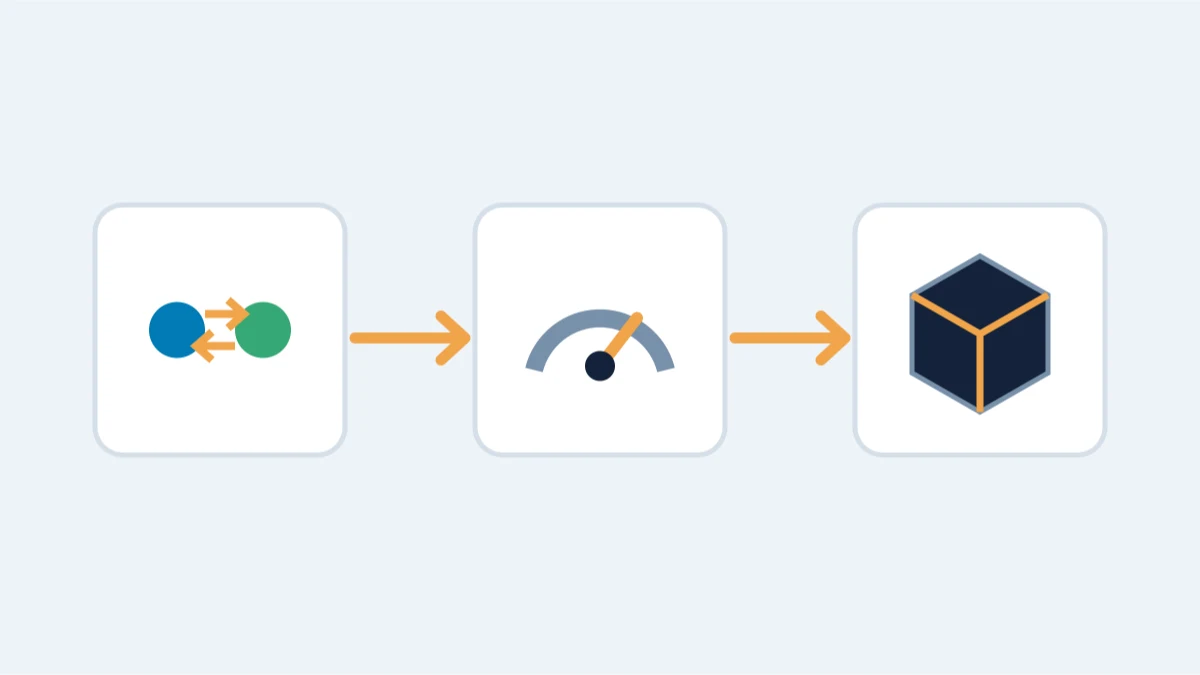
Gas is the fee a transaction pays to be included in a block on networks like Ethereum. It is paid in the network's native coin (ETH) and covers the computational work the transaction uses.
How it works
- Gas price x gas used: the price you are willing to pay per unit, multiplied by the units the transaction consumes.
- Pay a higher fee and the network processes your transaction faster; a low fee can leave it pending for a long time.
- On Ethereum, transactions from one address are processed in nonce order: an older pending transaction can hold up later ones.
What a failed transaction means
A failed transaction can still cost gas, but it does not move your funds. The coins stay at the sending address: the network simply rejected or reverted the transfer. Checking the transaction on a block explorer tells you what actually happened.
When it matters for recovery
Insufficient gas fees or nonce conflicts can prevent a transaction from being processed; they are not merely display problems. A missing balance needs a separate check of the address, network and transaction history. Confirm the transaction status on-chain first, and use only the wallet's official functions to speed up or replace a pending transaction, never fire off random new transactions.
If a transaction is stuck, most wallets let you raise the fee for pending transactions; only use the wallet's official feature for this.
Why fees exist
Blockchain networks charge a fee for every transaction: it pays the validators or miners who record it and prevents spam. On Ethereum and EVM chains the fee is measured in gas: a unit of computational work, priced in the network's native coin (ETH, BNB, MATIC...). On Bitcoin, the fee is the total value of the transaction inputs minus the total value of all outputs, including any change returned to the sender.
How fees matter for wallets
- Low balance, high fee: a wallet may show coins but not be able to send them if the balance cannot cover the fee. That is not a recovery problem — it is a transaction problem.
- Wrong network: assets may be recorded on a different network from the one the wallet displays. Whether you can access them depends on the receiving address, control of the relevant keys and support from the wallet or exchange.
- Synchronisation confusion: a wallet that has not synced may show an outdated balance or transaction history. Check the address and recent transactions on an explorer for the correct network before deciding whether funds have moved.
Fee confusion is one of the most common causes of a 'missing' balance. Before assuming loss, verify the address on the correct explorer for the correct network. If the balance itself looks wrong, see why tokens stop showing and zero balance after restore.
Still locked out?
The first assessment is free, and it asks for no wallet secrets. Describe what you still have — a file, a phrase, a device, or what you remember — and we’ll tell you whether recovery is realistic. You only pay if the recovery succeeds.