
Problem
Randstorm Wallet Recovery (2011-2015)
Browser wallets from 2011-2015 sometimes generated keys with predictable randomness (Randstorm). In some cases the key can be reconstructed without the password or phrase.
Short answer
Randstorm describes weak randomness in browser-based wallets from roughly 2011 to 2015, where some keys were generated from predictable data. Wallets created in that window may be recoverable when the era and software are known — the search is constrained by the weak generator, not by brute force over all keys. Material and era decide feasibility.
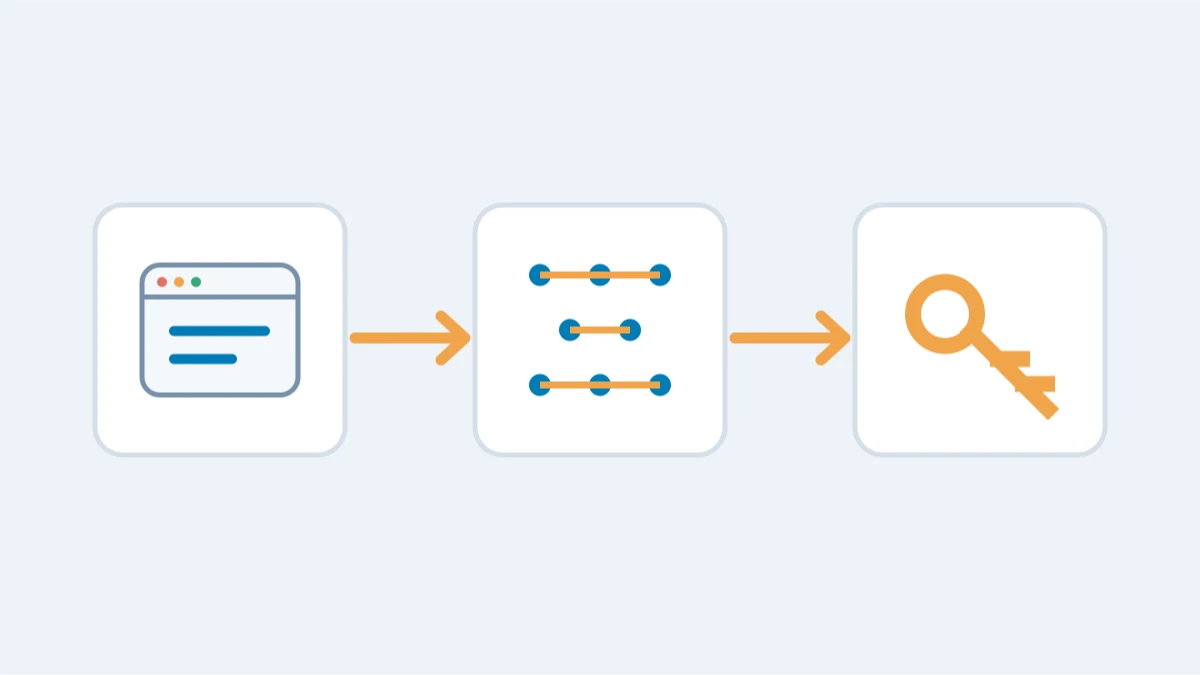
If your wallet dates from 2011 to 2015 and was generated inside a browser, the question is not whether the phrase is lost — it's whether the software that created it was one of the ones affected. That's what decides whether anything on this page applies to you.
Is your wallet in the window?
This applies to browser-generated wallets from roughly 2011 to 2015, whose keys were created by JavaScript key generators running in the browser - for example BitcoinJS-based web wallets and similar browser tools. It does not apply to hardware wallets, to desktop software such as Bitcoin Core (which uses operating-system randomness), or to wallets with properly generated seeds. The key point is not the wallet's name but how its key was generated.
What this means for you
- A public address and a rough creation date are often enough to begin an assessment.
- Reconstruction is a technical research problem: it depends on the exact generator and the data that was predictable at the time.
- If your wallet is vulnerable, move the balance as soon as access is restored - predictable keys are a security risk by definition.
What is not covered
- Wallets created with proper randomness, or long after the vulnerable window: Randstorm does not apply, and a lost phrase remains lost.
- Stolen funds: as always, blockchain transactions cannot be reversed.
Practical notes
- Do not move or "test" funds from a suspected Randstorm wallet on random websites.
- Keep the public address and any creation details; they are the material the assessment needs.
What to do if yours might be affected
- If you still have safe access to a potentially vulnerable wallet, move its funds promptly to a newly generated wallet created with current, trusted software or hardware. If access is lost, preserve the available data and seek an assessment instead.
- Gather what identifies the wallet: the software name and version, the approximate creation date, and any old address.
- If access is lost, we check the wallet against the known weak-generation patterns - understanding the wallet formats of that era is where the assessment starts. If the keys are recoverable, moving them to a modern wallet with proper randomness is the fix.
What this depends on
The honest limit is the software, not the era: not every wallet made between 2011 and 2015 is vulnerable, and Randstorm is not a guarantee even when it applies. But for a wallet from that window with no file, phrase or password, it's one of the few cases where the keys might still exist in mathematics rather than in material — worth checking before you write it off.