
Knowledge base
Private Keys: What They Are and Why They Unlock Your Wallet
A private key is the secret number that lets you spend from a specific address. It can be a hex or WIF string, or sit encrypted inside a wallet file.
Short answer
A private key is the secret number that controls an address. Recovery work targets the key or the password that protects it — a public address alone can never unlock anything.
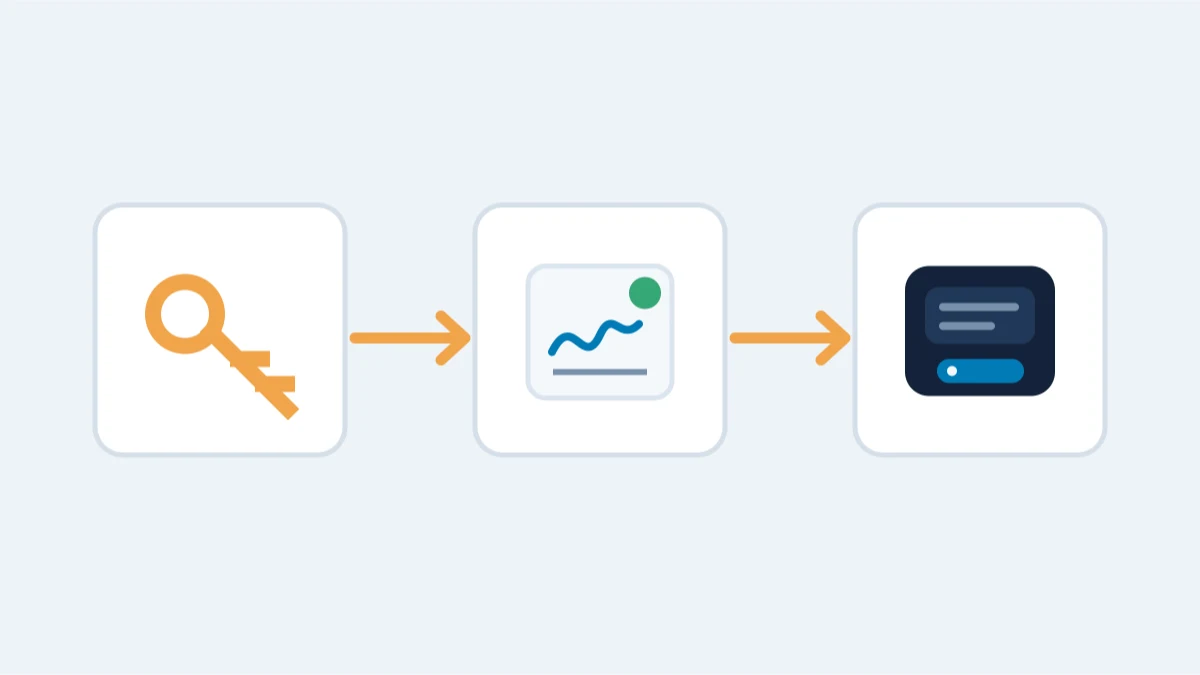
A private key is a secret number that lets you spend from a specific address. Whoever holds it controls that address. In most modern wallets you never see the private key directly: the wallet derives one key per address from your seed phrase. The phrase is the master key; the private keys are the individual locks it opens.
What unlocks what
A private key can control more than one address, depending on the network and address type. It does not by itself restore all the other keys in an HD wallet. A seed phrase sits a level above it: it unlocks every address derived from it, because it regenerates the whole set of private keys. A wallet password unlocks only the file that contains the keys — and once you know the phrase, that password stops mattering, since the phrase rebuilds the keys without it.
Recovery situations
- Key inside an encrypted file: password recovery on a copy of the file.
- Key exported in plain text (WIF or hex): import it into compatible software, then move the funds to a fresh wallet straight away - a plain-text key that has been exposed anywhere is no longer safe to keep using.
- Key and phrase both gone: not recoverable by anyone.
The key types you will meet
- WIF (Wallet Import Format): the most common Bitcoin key format, starting with a 5 or K/L. It can be imported directly into wallet software.
- Hex keys: a 64-character string, the raw form of the key.
- BIP-38: a password-protected key, starting with 6P. Both the printed material and the exact passphrase are needed.
- Extended keys: xpub/xprv (and the y/z variants) represent whole trees of keys from an HD wallet; xprv is master material, xpub is watch-only.
- Embedded inside an encrypted wallet file, such as a Bitcoin Core wallet.dat or an Ethereum keystore.
The file form matters for recovery: an encrypted wallet file contains the keys in encrypted form, so the password — not the key itself — is what recovery work targets.
The rules that never change
A private key is the wallet: whoever holds it can move the funds. Never type it into a website, form or chat, never store it in a connected note or screenshot, and never send it to a 'recovery tool' that asks for it. Legitimate recovery works on copies or derived hashes, never by handing the key to a stranger.
If you have the key, the wallet is accessible. If you have only an address or a partial memory, recovery methods covers what reconstructing or searching for the key material actually involves.
Still locked out?
The first assessment is free, and it asks for no wallet secrets. Describe what you still have — a file, a phrase, a device, or what you remember — and we’ll tell you whether recovery is realistic. You only pay if the recovery succeeds.